Reflections on Voltaire, Value, and Why Human Behavior Changes So Little
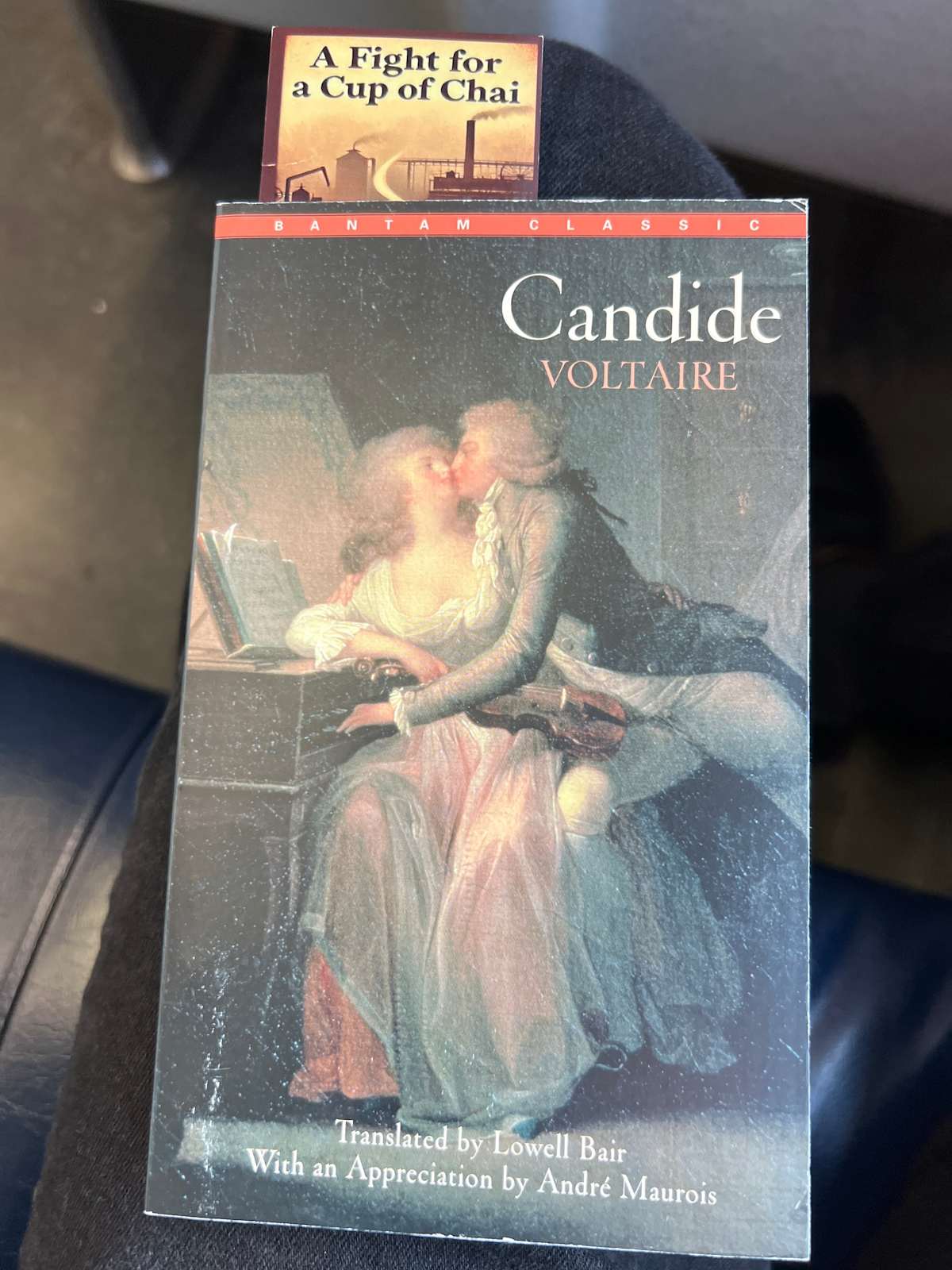
I was reading Candide by Voltaire and came across the kingdom of El Dorado, where gold, diamonds, and precious stones are treated as ordinary parts of nature. Children play with them casually. Roads are lined with what Europeans would consider unimaginable wealth. The people living there see no special value in these materials because, to them, they are simply part of the earth.
Only the Europeans passing through seem overwhelmed. They stare at the riches with disbelief, instantly assigning value, power, and meaning to objects the people of El Dorado barely notice.
Later that day, I was listening to NPR discuss rare-earth minerals and the growing tensions between the United States and China over access to them. These elements now power modern life: phones, batteries, military technology, electric vehicles, satellites, and artificial intelligence. Nations compete over access because whoever controls these resources may shape the future.
At first, the connection seemed obvious.
Gold then.
Rare earth minerals now.
But the more I read Voltaire, the more I wondered if the materials themselves were never the real story.
Perhaps the story has always been human beings.
In another passage, Candide asks whether humans have always been liars, cheats, thieves, greedy, ambitious, bloodthirsty, hypocritical, and foolish. Martin responds by asking whether hawks have always eaten pigeons. If their nature remains the same, why assume humans have changed theirs?
The question unsettled me.
Because centuries pass and the objects change, but many of the instincts remain strangely familiar.
Gold becomes oil.
Oil becomes lithium.
Lithium becomes a rare-earth mineral.
Empires become multinational corporations.
Colonial expansion becomes a matter of supply chains and geopolitical strategy.
The language changes. The instinct survives.
The language modernizes. The hunger adapts.
The impulse survives.
What one society sees as ordinary earth, another sees as wealth, security, or power.
Someone’s dirt becomes someone else’s treasure.
A stone remains a stone until human desire transforms it.
Throughout history, people have crossed oceans, conquered lands, exploited labor, formed alliances, and justified violence in pursuit of what they deemed valuable. Sometimes it was survival. Often, it was fear. Just as often, ambition.
Voltaire understood something uncomfortable:
Human beings do not compete only for resources.
We compete for status, control, belonging, certainty, and sometimes the illusion that possessing more will protect us from uncertainty.
Perhaps that is why older books continue to matter. They remind us that beneath technological progress and political systems, beneath new inventions and modern language, many of the same human desires continue to move beneath the surface.
History rarely repeats itself exactly.
But human behavior often does.
The world changes.
The hunger remains.